Introduction
In today’s fast-paced business environment, communication systems play a pivotal role in ensuring seamless connectivity between companies and their clients. With the rapid evolution of technology, businesses have a plethora of options at their disposal for managing communications. Among these options, two prominent contenders are Voice over Internet Protocol (VoIP) phone systems and traditional Private Branch Exchange (PBX) systems. This article delves deep into the comparative aspects of VoIP and traditional PBX systems, focusing specifically on customer satisfaction.
What drives customer satisfaction in telecommunication? Is it the cost-effectiveness, the features offered, or perhaps the reliability of the service? These questions become even more critical when choosing between modern VoIP phone systems and classic PBX solutions. In this comprehensive study, we will explore various aspects such as functionality, costs, flexibility, customer support, integration capabilities, and user experience to provide an authoritative insight into how each system impacts customer satisfaction.
VoIP Phone System
Understanding VoIP Technology
Voice over Internet Protocol (VoIP) is a technology that enables voice communication to be transmitted over the internet rather than through traditional telephone lines. By converting voice signals into digital data packets, VoIP allows for more efficient communication methods that can reduce costs significantly.
Key Features of VoIP Phone Systems
Cost Efficiency: One of the most appealing aspects of VoIP phone systems is their affordability. They typically offer lower call rates and reduced installation costs compared to traditional PBX systems.
Scalability: Businesses can easily scale their operations by adding or removing lines without significant infrastructure changes.
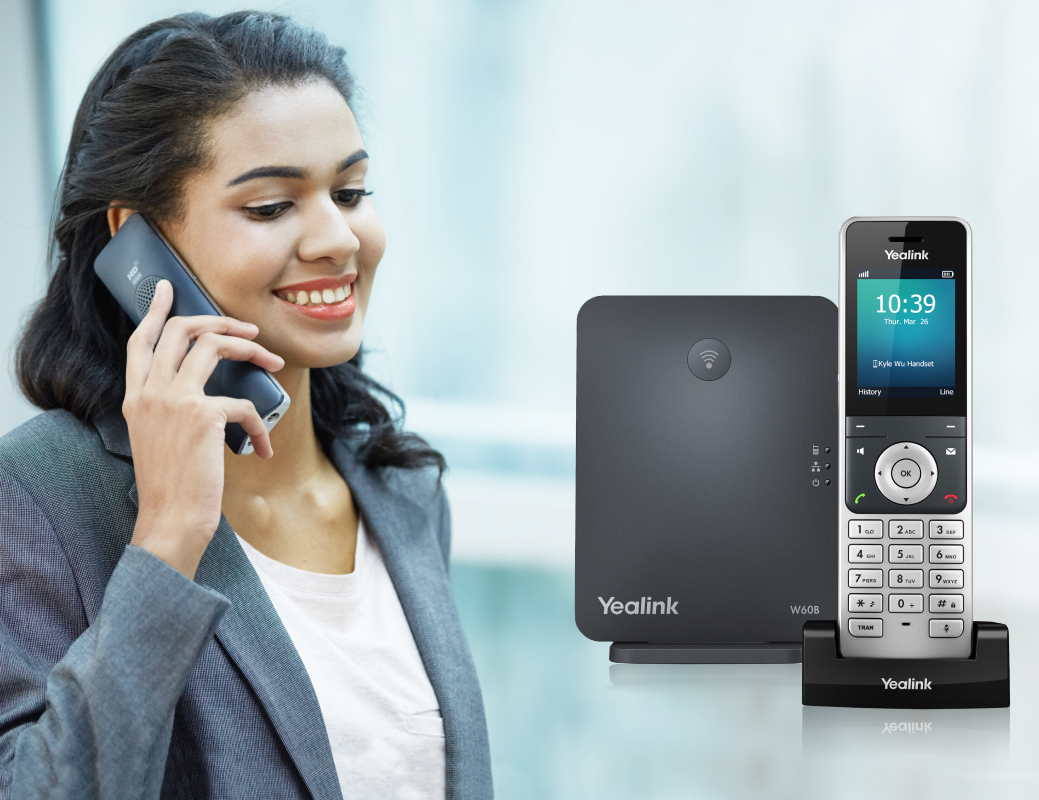
Advanced Features: VoIP services often come with integrated functionalities like voicemail-to-email, video conferencing, call forwarding, and analytics reporting.
Mobility: With VoIP systems, employees can make and receive calls from anywhere with an internet connection using softphone applications on mobile devices or computers.
Integration Capabilities: VoIP phone systems can seamlessly integrate with other software applications such as CRM tools, enhancing overall productivity.
Benefits of Using a VoIP Phone System
- Flexibility: Employees can work remotely without losing connectivity. Enhanced Collaboration: Features like group calls and video conferencing foster teamwork. Increased Productivity: Streamlined communication reduces downtime.
Traditional PBX Systems
What is Traditional PBX?
A Private Branch Exchange (PBX) system is a private telephone network used within an organization that allows internal phones to communicate with each other while sharing a certain number of external phone lines. Traditionally reliant on copper wiring and hardware installed on-premises, these systems have been around for decades.
Core Features of Traditional PBX Systems
Control over Infrastructure: Many organizations prefer traditional PBX due to having complete control over their telecommunication infrastructure.
Reliability: Traditional PBXs do not rely on internet connectivity; hence they are perceived as more reliable during internet outages.
Quality of Service (QoS): Calls made via traditional PBXs often have superior audio quality since they aren’t subject to bandwidth limitations found in some internet connections.
Security: On-premises equipment can be more secure from online threats compared to cloud-based solutions.
Customization Options: Businesses can customize their PBX setup based on specific needs without relying on third-party providers.
Advantages of Traditional PBX Systems
- Stability: Reliable performance without dependence on internet connectivity. Robustness: Proven technology with established protocols. Direct Control: Businesses maintain direct control over security measures concerning sensitive information.
VoIP and Traditional PBX: A Comparative Study on Customer Satisfaction
When it comes down to customer satisfaction in choosing between VoIP phone systems or traditional PBX solutions, several factors come into play:
Cost Comparison
While both options present unique financial implications—VoIP being generally less expensive in terms of initial investment—traditional PBXs may appeal to businesses that prioritize ongoing maintenance costs over upfront setup fees.
User Experience
User experience can differ markedly between these two technologies. Users often report higher satisfaction levels with VoIP due to its advanced features and ease of use compared to traditional setups where complexity might hinder usability.
Customer Support
The level of customer support varies widely among providers for both technologies but tends to favor unified communication platforms provided by many modern VoIP services that offer 24/7 support through multiple channels including chat and email assistance.
Impact on Communication Quality
While traditional phones offer consistent quality under normal conditions—especially during high traffic times—VoIP's quality largely depends on the strength and stability of one’s internet connection which may lead to dissatisfaction if service interruptions occur.
Factors Influencing Customer Satisfaction in Telecommunication Systems
1. User Interface Design
A clean user interface enhances user experience significantly whether it’s through a mobile app or web interface for managing calls effectively.
2. Reliability
Reliability stands out as a critical factor influencing customer satisfaction; businesses want assurance that their communication will remain uninterrupted regardless of circumstances surrounding technology failures or upgrades.
3. Technical Support Accessibility
Having readily available technical support ensures quick resolutions leading directly towards higher levels of customer contentment across boardrooms everywhere!

FAQs
Q1: What is the primary difference between VoIP phone systems and traditional PBX?
A1: The main difference lies in how they transmit voice http://israelrquw312.wpsuo.com/the-rise-of-voip-why-it-s-better-than-a-traditional-landline-for-businesses communications; VoIP uses internet protocols while traditional PBXs rely on dedicated telephone lines.
Q2: Are there any hidden costs associated with deploying a VoIP system?
A2: While generally cost-effective upfront, potential hidden costs may include high-speed internet requirements or additional fees for premium features not included in base packages.
Q3: Can I retain my existing phone numbers when switching from traditional PBX to VoIP?
A3: Yes! Most reputable providers allow for number porting so you can keep your existing phone numbers when transitioning to a new system seamlessly!
Q4: Which system is better suited for small businesses?
A4: Typically speaking, small businesses favor VoIP due to its scalability features allowing them to adapt quickly as they grow without hefty investments required upfront like those seen with traditional setups!
Q5: How does call quality compare between these two options?
A5: Generally speaking call quality favors traditional PBXs unless proper bandwidth management practices are implemented within your organization's network architecture supporting effective deployment strategies around utilizing high-quality connections throughout operations effectively!
Q6: What additional features do modern VoIPs offer that enhance usability?
A6: Modern VoIPs provide functionalities such as auto attendants alongside voicemail-to-email capabilities enabling users greater flexibility managing communications efficiently continuously!
Conclusion
In conclusion, both VoIP phone systems and traditional PBXs present unique advantages tailored toward different business needs impacting overall customer satisfaction distinctly according towards individual organizational priorities! Evaluating factors such as cost efficiencies while considering aspects regarding reliability alongside user experience ultimately guides decision-making processes leading towards informed choices aligning effectively meeting strategic objectives moving forward!
Ultimately understanding what contributes most significantly regarding client expectations surrounding telecommunications helps illuminate pathways paving roads ahead ensuring successful implementations regardless paths chosen! Whether it's embracing innovative tech-driven solutions offered by today's evolving landscape regarding unified communications optimizing operational efficiency—or maintaining tried-and-tested methodologies long relied upon—the key lies within recognizing inherent strengths found embedded throughout either solution available today helping elevate every interaction experienced along way!