Introduction
In an age where communication is the backbone of business operations, organizations are increasingly turning to Voice over Internet Protocol (VoIP) phone systems. These systems offer cost-effective, flexible, and scalable solutions that traditional telephony cannot match. Organizations across various sectors have successfully implemented VoIP phone systems, transforming their communication landscape and enhancing productivity. This article delves into several compelling case studies highlighting successful VoIP implementations, showcasing the technology's adaptability and effectiveness.
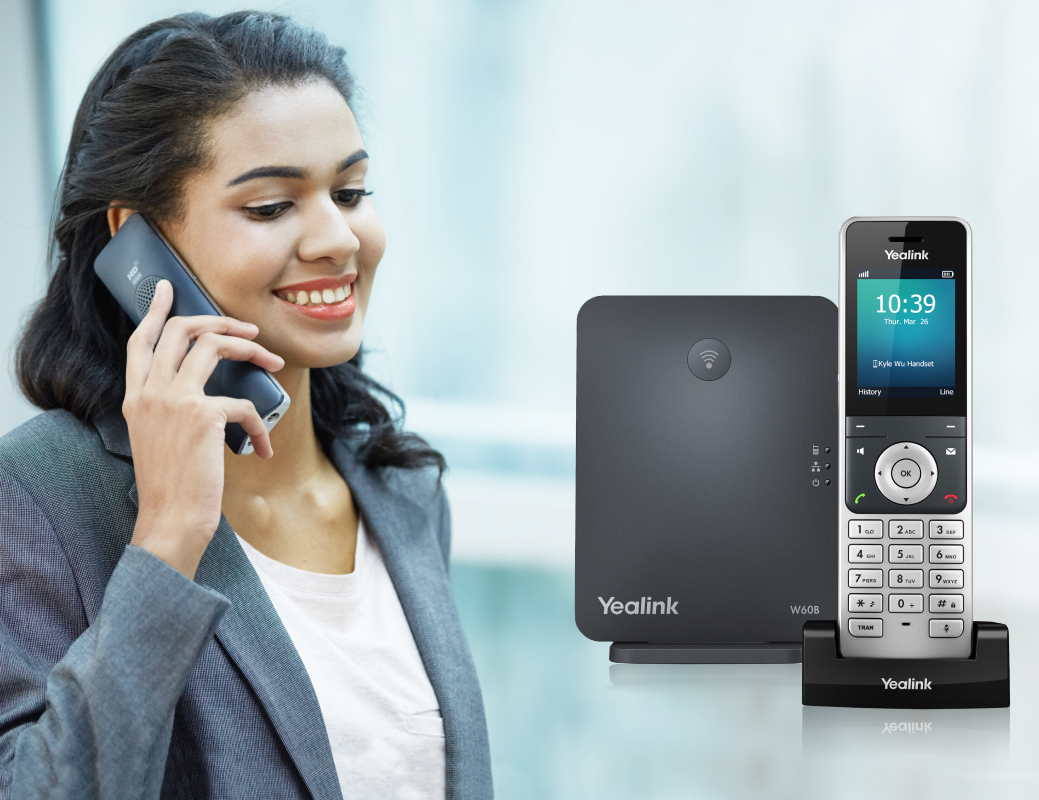
What Are VoIP Phone Systems?
VoIP phone systems utilize the internet to transmit voice calls instead of traditional telephone lines. By converting voice signals into digital data packets and sending them over the internet, these systems eliminate the need for conventional phone infrastructure. Not only does this lead to reduced costs for businesses, but it also enhances features like call forwarding, voicemail-to-email transcription, and video conferencing.
Key Features of VoIP Phone Systems
- Cost Savings: Businesses can save significantly on long-distance calls. Flexibility: Users can make and receive calls from any internet-enabled device. Scalability: Adding or removing users can be done with minimal effort. Advanced Features: Many VoIP services come with integrated collaboration tools.
Case Studies: Successful Implementations of VoIP Phone Systems
VoIP technology has been adopted by numerous organizations ranging from small startups to large enterprises. Each case study reveals unique challenges faced and benefits gained through implementation.
1. Company A: Streamlining Communication in a Healthcare Setting
Overview
Company A operates within the healthcare sector, managing multiple clinics across a region. The organization faced challenges with its outdated phone system that hindered effective communication between staff members, especially during emergencies.
Implementation Strategy
The management opted for a cloud-based VoIP phone system that allowed:

- Centralized management across all locations. Integration with patient management software. Secure communications compliant with healthcare regulations.
Outcome
After implementing the VoIP system, Company A reported:
- A 50% reduction in communication costs. Improved response times during critical situations. Enhanced patient satisfaction due to more seamless communication among staff.
2. Company B: Enhancing Collaboration in a Tech Startup
Overview
Company B is a fast-growing tech startup that relies heavily on collaboration among its distributed teams. The existing communication tools were insufficient for their needs, leading to delays in project timelines.
https://jsbin.com/tifumarixu
Implementation Strategy
The company chose a hosted VoIP solution featuring:
- Video conferencing capabilities. Team messaging platforms integrated into their workflow. Mobile access for remote employees.
Outcome
Following the transition to a VoIP system:
- Team collaboration improved markedly with reduced email reliance. They reported a 40% increase in project deliverables within deadlines. Employee morale soared due to enhanced connectivity and ease of communication.
Benefits of Implementing VoIP Phone Systems
Understanding the advantages of adopting VoIP technology can help businesses recognize its value beyond just cost savings.
1. Cost Efficiency
One of the most significant benefits is cost savings on long-distance calls and operational expenses associated with maintaining legacy systems.
2. Enhanced Mobility
With remote work becoming more prevalent, having a mobile-friendly communication solution is vital for maintaining productivity outside traditional office settings.
3. Rich Feature Set
VoIP systems often come packed with features such as call recording, call analytics, automated attendants, and unified messaging services that improve overall operational efficiency.
Challenges Faced During Implementation
While many companies enjoy successful implementations of VoIP phone systems, challenges can arise during transition periods:
1. Network Infrastructure Issues
Poor internet connection quality can lead to dropped calls or poor sound quality; therefore, it's essential to evaluate bandwidth before transitioning fully to a VoIP system.
2. User Training Needs
Employees may require training sessions to familiarize themselves with new technologies; investing in proper onboarding will ensure smoother transitions.
FAQs About VoIP Phone Systems
Q1: What do I need to use a VoIP phone system?
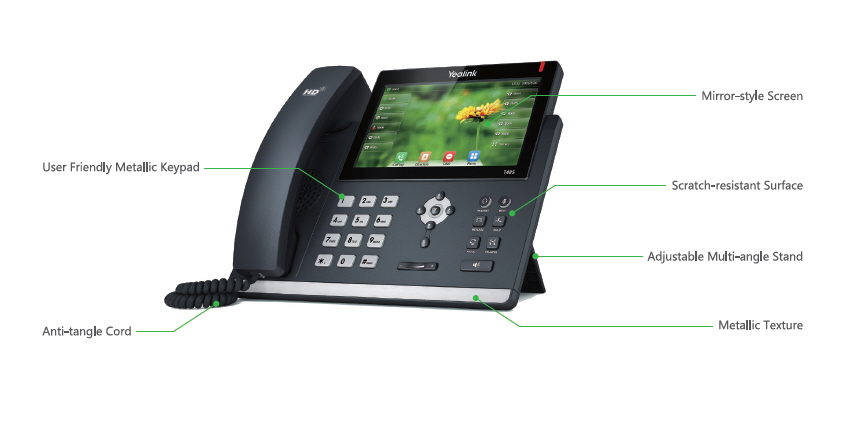
To use a VoIP phone system, you need high-speed internet access and compatible devices such as IP phones or computers equipped with softphone applications.
Q2: Are there hidden costs associated with switching to VoIP?
While many providers offer competitive pricing models, it’s crucial to evaluate setup fees or additional charges for certain features when considering migration costs.
Q3: Can I keep my existing phone number when switching?
Yes! Most providers allow you to port your existing numbers over seamlessly during setup.
Q4: Is customer support available after implementing a VoIP solution?
Most reputable providers offer 24/7 customer support as part of their service agreements; it’s always wise to confirm this before choosing a provider.
Q5: How secure are VoIP systems compared to traditional telephony?
While they can be secure if configured correctly (e.g., using encryption), it's essential to implement robust security measures like firewalls and VPNs for added protection against cyber threats.
Q6: Can I use my mobile device for calls through a VoIP system?
Absolutely! Many modern VoIP solutions provide applications compatible with smartphones allowing seamless calling capabilities on-the-go.
Conclusion
As illustrated by various case studies throughout this article, successful implementations of VoIP phone systems have proven transformative for organizations across different sectors. By embracing this technology, businesses have harnessed not only financial savings but also improved internal communications leading them toward greater operational efficiency. Whether you’re running a healthcare facility or managing a tech startup, exploring how your organization could benefit from implementing a tailored VoIP solution may very well be your next strategic move forward in today's competitive landscape.
By understanding both the potential advantages and challenges associated with transitioning towards these modern communications solutions—companies can position themselves favorably for future growth while ensuring seamless connectivity amongst employees and clients alike through “Case Studies: Successful Implementations of VoIP Phone Systems”.